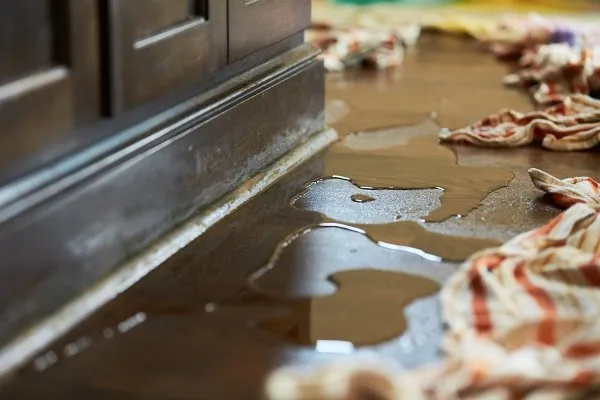
Water damage does not always announce itself with standing water or obvious flooding. In many cases, it develops quietly behind walls, under floors, or inside ceilings, causing damage long before it becomes visible. Because water follows gravity and takes the path of least resistance, the area where damage appears is often far from the source of the problem. This makes early detection difficult, especially for homeowners who are unfamiliar with subtle warning signs.
One of the most commonly overlooked signs of water damage is discoloration on walls or ceilings. Light brown, yellow, or gray stains may appear gradually and are often dismissed as cosmetic issues. In reality, these marks usually indicate moisture trapped behind drywall or plaster. Over time, the affected materials weaken, and the damage spreads beyond the visible area.
Changes in texture can also signal hidden water damage. Walls that feel soft, swollen, or uneven to the touch may have absorbed moisture. Paint that begins to bubble, peel, or crack without an obvious cause is another warning sign. These changes happen when moisture breaks down the bond between paint and the surface beneath it.
Musty odors are another red flag many homeowners overlook. A persistent damp or earthy smell often means moisture is present somewhere in the structure. Even if no water is visible, trapped moisture can create conditions that allow odors to linger and worsen over time. These smells often originate from areas like wall cavities, crawl spaces, or flooring materials that have absorbed water.
Floors can also reveal hidden water damage. Hardwood may warp, buckle, or separate at the seams. Laminate flooring may swell or feel spongy underfoot. Carpet that feels damp long after cleaning or develops unexplained odors could be absorbing moisture from below. Even tile floors can hide water damage if moisture seeps beneath the surface and weakens the subfloor.
Doors and windows that suddenly become difficult to open or close may indicate water damage nearby. Moisture can cause wood framing to expand or shift, altering the alignment of doors and windows. When this happens without changes in temperature or humidity, it is often linked to water intrusion rather than normal settling.
Another commonly missed sign is an unexplained increase in water bills. A spike in usage may point to a hidden leak inside walls, beneath floors, or underground. Slow leaks can go unnoticed for months while causing significant damage to surrounding materials. Monitoring water usage and investigating unexpected changes can help catch these problems early.
Ceilings deserve special attention when it comes to hidden water damage. Even small roof leaks or plumbing issues from upper floors can lead to moisture buildup overhead. Sagging ceilings, hairline cracks, or faint discoloration are often early indicators. Left unaddressed, ceiling damage can worsen and create safety risks.
Basements and crawl spaces are especially vulnerable to hidden water damage. Because these areas are used less frequently, moisture problems may go unnoticed. Condensation on walls, damp insulation, or darkened wood framing can all indicate ongoing moisture issues. These environments are particularly prone to long term damage if water intrusion is not addressed properly.
Water damage can also affect electrical systems. Corrosion around outlets, flickering lights, or breakers tripping unexpectedly may be related to moisture exposure. Electrical components are not designed to handle prolonged contact with water, and these issues should always be investigated promptly for safety reasons.
Another subtle sign involves mold growth, even when visible mold is not present. Mold often begins growing behind walls or under flooring where moisture exists. Early signs may include allergy symptoms, respiratory irritation, or worsening indoor air quality. These symptoms are sometimes blamed on seasonal allergies or dust, but they can be connected to hidden moisture problems.
Why do homeowners miss these signs so often? In many cases, the changes happen slowly. Gradual damage is easy to dismiss or adapt to, especially when daily routines remain unaffected. In other situations, damage occurs in areas that are rarely inspected, such as attics, crawl spaces, or behind appliances.
Ignoring early signs of water damage can lead to much larger problems. Structural materials weakened by moisture can lose their integrity over time. Wood may rot, drywall may crumble, and insulation may become ineffective. The longer moisture remains present, the more extensive and expensive repairs often become.
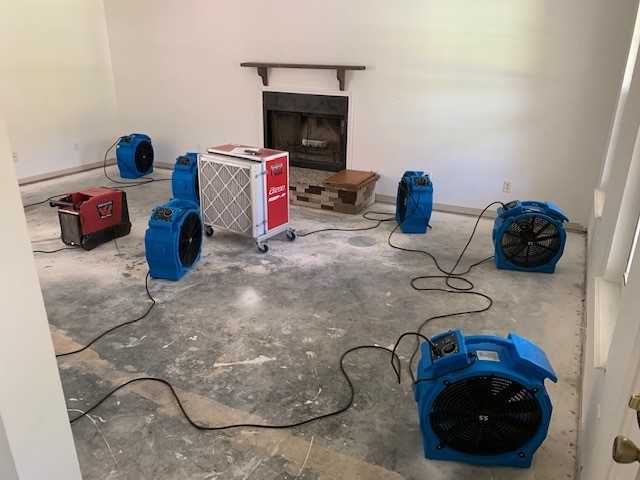
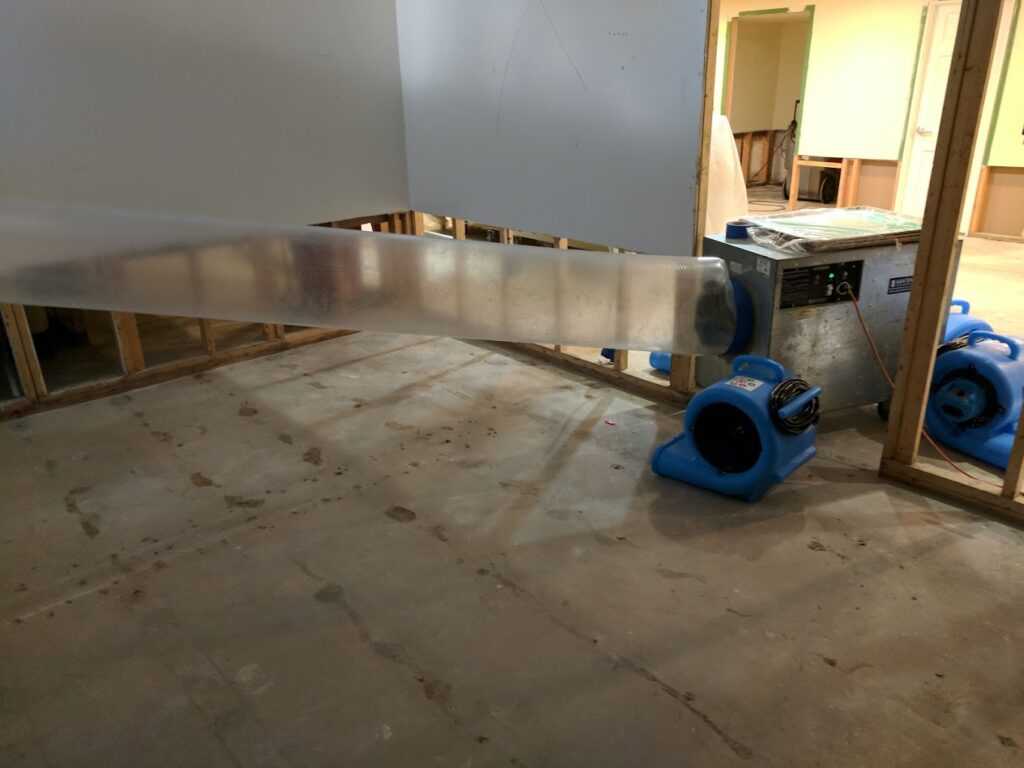
Professional water damage restoration focuses on more than surface level cleanup. Trained technicians use moisture detection tools to locate hidden water, assess how far damage has spread, and ensure affected areas are properly dried. This approach helps prevent secondary damage and supports long term stability.
If you notice any of these warning signs, it is important to act quickly. Early intervention can make a significant difference in the scope of repairs needed. Addressing water damage early helps protect your home, preserve indoor conditions, and reduce the risk of future issues.
Water damage does not always look dramatic at first glance. Often, it starts quietly and spreads slowly. By paying attention to subtle changes in your home and responding promptly, you can catch problems early and avoid costly repairs down the road.